Successfully Added
The product is added to your quote.


The product is added to your quote.

Expect your quote in 5 minutes or less during business hours.
We'll get back to you within 5 minutes during business hours.
Check your email at email@gmail.com for our response
.
With global trade tensions escalating and tariff rates climbing across multiple categories of industrial equipment in 2025, manufacturers across the U.S. are feeling the impact where it hurts most: sourcing critical automation parts. Lead times have already been unpredictable for years, but new import duties are creating fresh challenges for maintenance teams, OEMs, and production managers who need fast replacements to keep operations moving.
This blog breaks down how the latest tariffs are affecting automation supply chains—and what your plant can do right now to stay ahead of shortages, price swings, and unexpected downtime.
Tariffs always ripple through manufacturing, but automation components are uniquely sensitive. Many of the world’s motors, drives, PLCs, and HMIs—especially legacy or specialty models—are produced overseas. When tariff rates spike, costs and availability shift immediately. Understanding where the pressure is coming from helps your team make wiser sourcing and stocking decisions.
The result? Higher prices, volatile availability, and a growing need for alternative sourcing strategies.
Not all industrial automation categories are impacted equally. Some components are seeing minor disruptions, while others—particularly power electronics and controllers—are experiencing dramatic shifts in cost and lead time.
If your facility depends on specialized or legacy controllers, drives, or motors, these impacts feel even sharper.
Tariffs aren’t just a supply chain inconvenience—they reshape your maintenance budget and asset management strategy. Plants that plan ahead are avoiding major cost spikes, while reactive facilities are feeling the financial pressure.
For many operations, tariffs are now directly influencing capital planning and spare parts strategy.
The good news: plants don’t need to wait helplessly for policy changes. Many facilities are adopting proactive strategies to reduce risk, stabilize costs, and secure the parts they need—regardless of international volatility.
With unpredictable lead times, many plants are increasing the number of mission-critical spares they keep on-site. The upfront cost is often far lower than a single hour of halted production.
Modern drives, PLCs, and HMIs often have compatible equivalents from other brands or series. This flexibility helps plants avoid tariff-heavy imports by sourcing from alternative regions or legacy inventories.
Industrial resellers are playing a major role in stabilizing the supply chain. Because they carry in-stock, fully tested parts from many brands, they can bypass OEM backlogs and tariff-driven shortages.
When tariffs push replacement costs higher, repair becomes far more attractive. Many legacy drives and controllers can be restored to full reliability at a fraction of the cost of importing a new one.
Domestic distributors with real in-warehouse inventory can ship same-day—avoiding international shipping, customs delays, and tariff surcharges entirely.
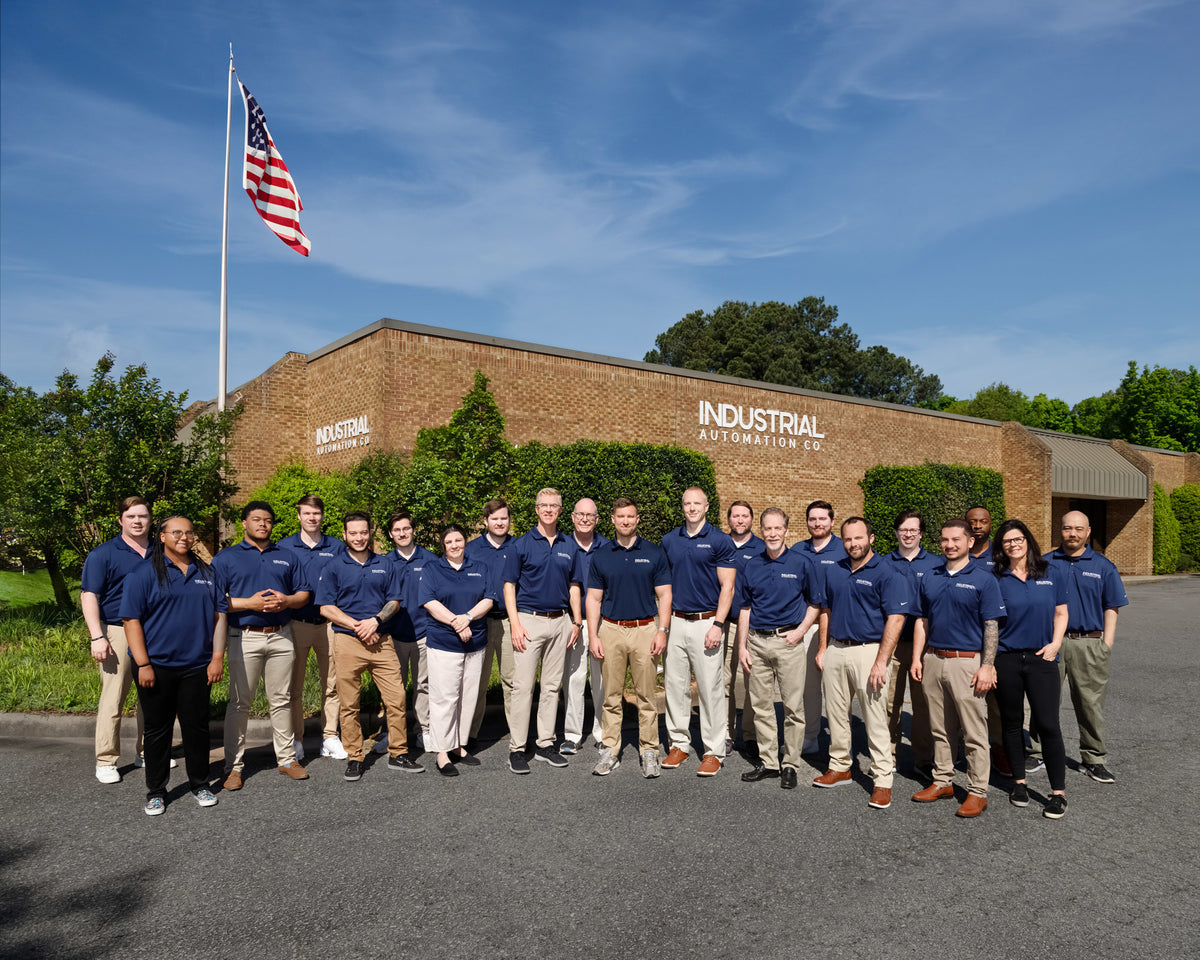
In a year where tariffs are reshaping the automation landscape, Industrial Automation Co. gives manufacturers a stable, reliable sourcing option. Instead of waiting on long overseas lead times or unpredictable OEM queues, you get fast, dependable access to the hardware your plant needs.
Whether you’re building a proactive spare parts plan or responding to an urgent breakdown, we help you avoid tariff delays and keep production running.
The global trade landscape will continue shifting throughout 2025, and automation components will remain at the center of those changes. But with the right sourcing strategy and the right partners, manufacturers can stay protected from shortages, cost fluctuations, and unexpected production stops.
If your plant is feeling the pressure of rising part costs or longer lead times, Industrial Automation Co. is here to help you secure reliable inventory and keep your systems moving.
Contact Industrial Automation Co. today for fast support and real in-stock solutions.
 2 Year Warranty on ALL products